







Soul support for chronic illness isn’t something anyone talks about enough.
When your body is fighting you, your soul needs tending too. Chronic illness takes a physical toll — but it also quietly drains the parts of you that have nothing to do with symptoms or treatments. The joy. The playfulness. The sense of who you are beyond your diagnosis. The connection to something larger than the hard daily reality of managing a body that doesn’t cooperate.
Soul support is what happens when you intentionally care for those parts.
Not in a performative, toxic-positivity kind of way. Not “just think positive” or “focus on gratitude.” But in the real, honest, sometimes messy work of tending to your inner life — your faith, your creativity, your relationships, your sense of meaning and purpose — even when everything else is hard.
Are you playing enough? Are you doing the things that bring you joy? Are you developing a spiritual muscle that carries you through the hard days?
That’s what this section is for.
Featured Articles

How to Stop Criticizing Yourself: A Guide to Self-Compassion
The voice in your head that says you’re not doing enough, not handling this well enough, not enough — that voice is lying to you. Here’s how to start talking back to it.

When Life Rewrites Your Dreams
Chronic illness doesn’t just affect your body. It rewrites the life you planned. Here’s how to find your way back to your dreams when everything has changed.

Celebrate Every Small Victory
When your baseline keeps shifting, small wins aren’t small at all. Here’s why celebrating every step forward — no matter how tiny — is one of the most powerful things you can do for your soul.

The Art of Writing a Self-Compassion Letter
Sometimes the kindest thing you can do for yourself is put it in writing. Here’s how a simple letter to yourself can begin to shift the way you see your own worth.

The Power of Persistence When Life Is a Struggle
Chronic illness tests your persistence in ways most people will never understand. Here’s how to keep going when everything in you wants to stop.

Living Without Regret
Regret is heavy enough on its own — carrying it through chronic illness is heavier still. Here’s how to transform your past into something that strengthens you rather than weighs you down.
More Content
- Christmas for the Soul: Embracing Presence, Love, and Simplicity
- When Life Rewrites Your Dreams: How to Keep Going After Chronic Illness, Trauma, and Loss
- How to Stop Criticizing Yourself: A Guide to Self-Compassion
- From Comparison to Grace: Learning to Trust Your Timing
- The Power of Compassion: Bridging Divides in a Divided World
- The Power of No
- Celebrate Every Small Victory
- Why You Belong Here!
- The Message I Refuse to Let Die
- Invisible Wounds: Living with Brain Injury and the Need for Grace
- When the World Feels Especially Cruel
- The Art of Writing a Self-Compassion Letter: Embrace Your Worth and Heal
- Embracing the Quiet Magic of New Beginnings
- What It Means to Be a Friend to Yourself and Why It’s Life-Changing
- The Power of Persistence When Life is a Struggle
- The Importance of Play in Adulthood
- Living Without Regret: Transforming Your Past Into a Source of Strength
- Five Benefits of Solitude
Meet Leisa Watkins
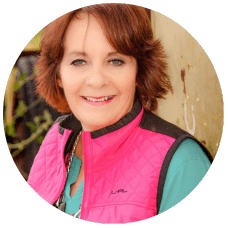
Leisa is a chronic illness writer and advocate living with MS, fibromyalgia, Lyme disease, and CFS/ME, and a mom navigating her kids' chronic illness journeys alongside her own.
She writes from lived experience and years of research, sharing practical strategies and compassionate guidance for women building a full life alongside chronic illness.
Not a medical professional. Please consult your healthcare provider for medical advice.
About Cultivate an Exceptional Life
Cultivate an Exceptional Life is a chronic illness community for women who are done waiting for their hard season to be over before they start really living.
Here you'll find honest stories, practical tools, and hard-won wisdom for building a life you love — alongside your illness, not in spite of waiting for it to get better.
Because an exceptional life doesn't just happen. It has to be cultivated.